

The fastest, lowest-risk way for a manufacturing plant to cut energy costs is to match motor speed to actual process demand using variable frequency drives, rather than running motors at fixed full speed and throttling output mechanically. Combined with better visibility into where power is actually being consumed, this single change typically delivers the largest energy savings of any efficiency measure a plant can implement without replacing core production equipment.
Energy efficiency has moved from a "nice to have" to a strategic priority across manufacturing in 2026, driven by rising utility costs, tightening sustainability reporting requirements, and straightforward economics every kilowatt saved goes straight to the bottom line. This guide breaks down where the real savings come from, and how to prioritize an energy efficiency upgrade without a full plant overhaul.
A few converging pressures have pushed energy efficiency from a facilities-team concern to a leadership-level decision:
Before investing in any efficiency measure, it helps to know where energy is actually being wasted. In most manufacturing plants, the largest and most fixable losses come from:
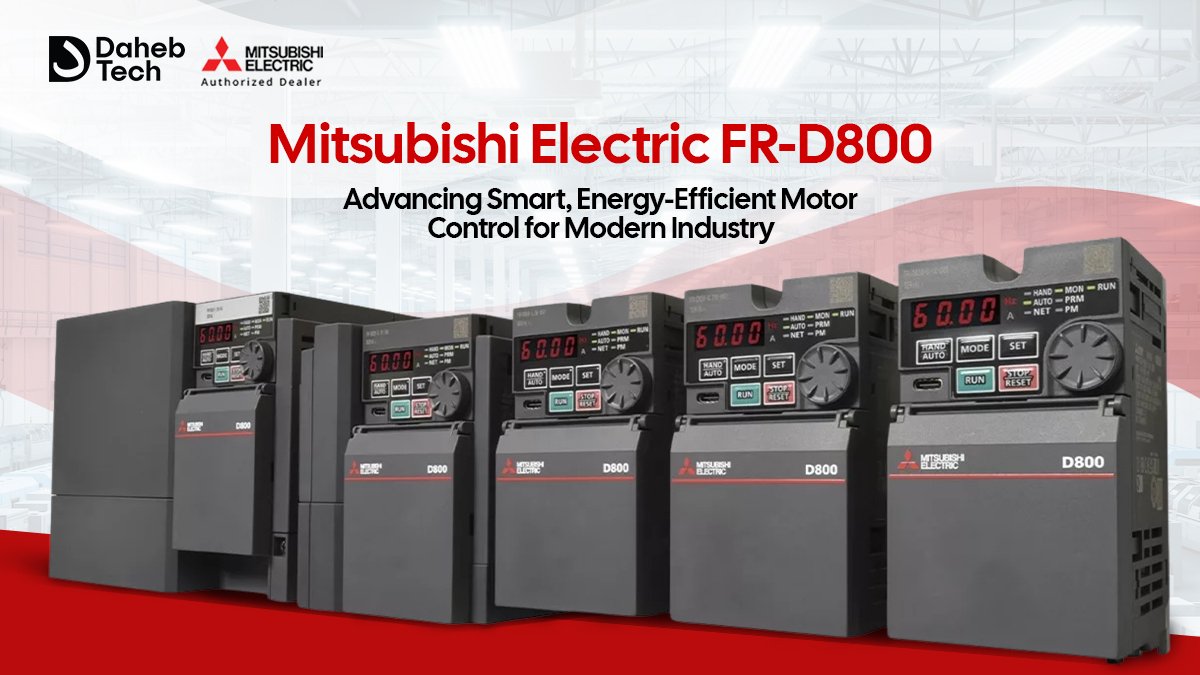
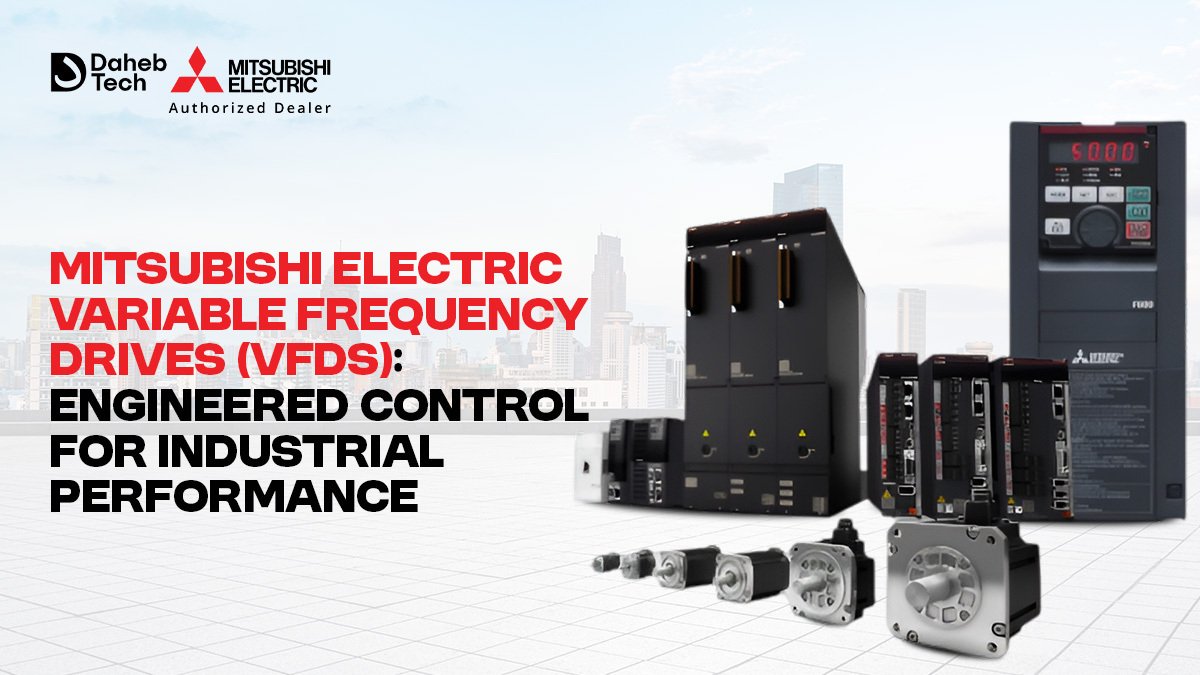
The single highest-leverage energy efficiency measure available to most manufacturers is installing variable frequency drives (VFDs) on motors that don't need to run at constant full speed. Rather than running a motor flat-out and mechanically restricting output, a VFD adjusts motor speed electronically to match real-time process demand.
Because of the physics involved (motor power draw scales roughly with the cube of speed for centrifugal loads like pumps and fans), even a modest reduction in required speed produces a disproportionately large reduction in energy consumption. This is why VFD retrofits are consistently one of the fastest-payback energy investments available to industrial facilities.
Different applications call for different drive characteristics:
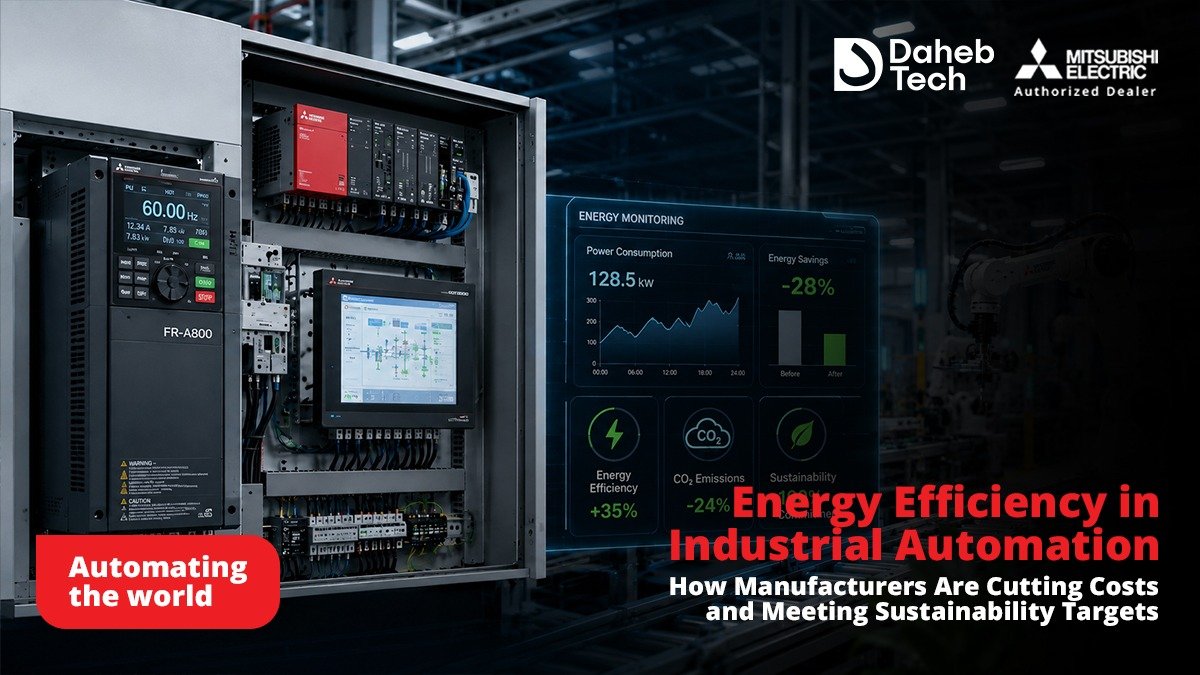
Energy efficiency projects fail more often from lack of visibility than from lack of good equipment. A plant needs to actually measure power consumption at a granular enough level — by line, by shift, or by machine — to know where to focus first. This is where a properly designed low-voltage power distribution system with integrated monitoring becomes as important as the drives themselves: reliable power monitoring at the distribution level turns "we think our energy bill is too high" into "this specific line is consuming 40% more than expected during off-peak hours," which is what actually justifies and directs an efficiency investment.
Rather than attempting a plant-wide energy audit all at once, a phased approach delivers faster, more defensible results:
Do VFDs actually save meaningful energy, or is this overstated? For variable-torque loads like pumps and fans, yes because power draw scales roughly with the cube of speed, even modest speed reductions produce substantial energy savings. This is one of the most well-established and measurable efficiency gains available in industrial automation.
Does improving energy efficiency require replacing existing motors? No. In most retrofits, the existing motor stays in place; a VFD is added to control it electronically instead of running it at fixed speed. This is typically far less disruptive and less expensive than motor replacement.
How do I know which motors to prioritize first? Start with motors that run constantly at full speed but serve a variable-demand process (pumps, fans, compressors) these consistently show the fastest payback. Power monitoring data, where available, should confirm which specific assets are consuming the most relative to their actual output requirement.
Is energy efficiency only relevant for large manufacturers? No. Because VFD retrofits work on individual motors rather than requiring a plant-wide overhaul, mid-sized facilities can start with their two or three largest constant-speed motors and scale from there.
Daheb Tech's technical team can help identify which motors and lines in your facility are the best candidates for a VFD retrofit, based on load profile and current setup. Get in touch or explore our full product range.