

Unplanned downtime is one of the most expensive and most preventable problems in manufacturing. Industry research from Aberdeen Group puts the average cost of unplanned downtime at roughly $260,000 per hour across manufacturing sectors, and Fluke's 2025 industrial resilience survey found that more than six in ten manufacturers were hit by unplanned downtime in the past year alone. Much of that cost traces back to one root cause: aging, mismatched, or poorly integrated automation equipment that was never upgraded until it failed.
For plant managers and engineers across the UAE, the question isn't whether to modernize it's knowing which part of the system is holding the rest back. Below are five warning signs that your automation setup needs attention, and the specific Mitsubishi Electric technology that solves each one.
If your controller is a discontinued model, running out of memory, or can no longer talk to newer devices on the network, it's usually the first domino to fall. Legacy PLCs also make it harder to scale a line, add sensors, or integrate with SCADA and MES systems which is often where "we can't get real-time data from the floor" complaints start.
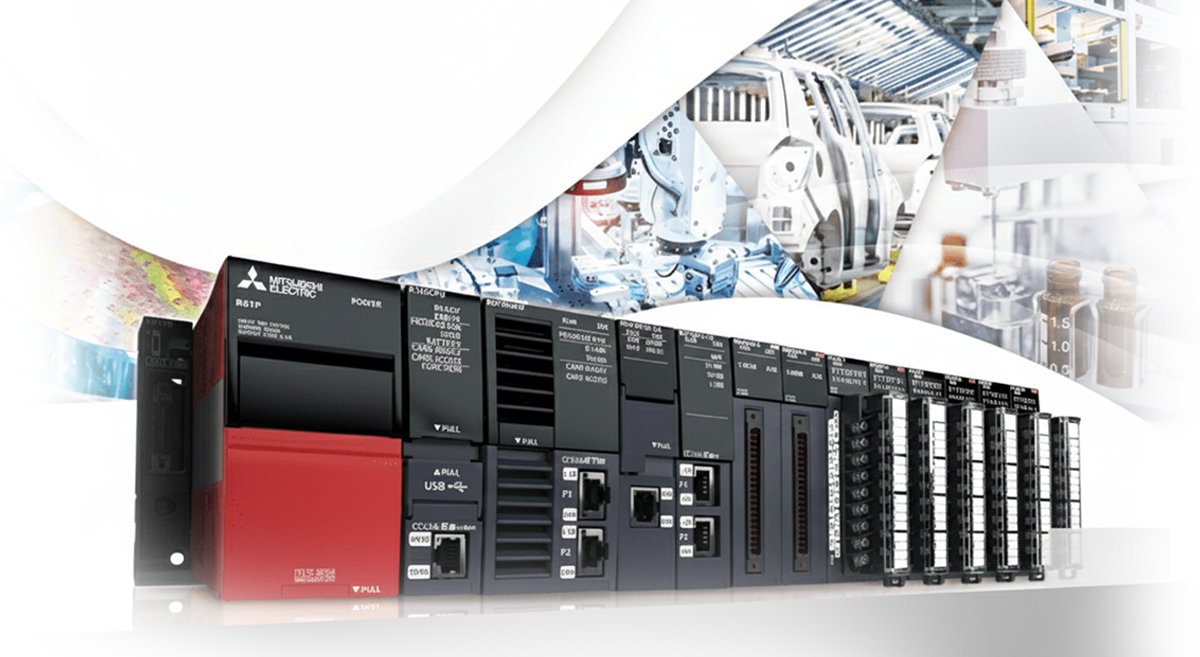
What to replace it with: Mitsubishi's MELSEC FX5 / iQ-F platform gives compact machines a modern, high-speed controller without a full platform overhaul, while the iQ-R series scales up for larger, more complex lines. Still deciding which controller family fits your line? Our PLC selection guide walks through what actually matters when comparing options.
Motors running at fixed speed pumps, fans, compressors, conveyors waste enormous amounts of energy when they're not matched to actual demand. This is one of the most overlooked upgrade opportunities because the motor itself still "works fine." The inefficiency is invisible on the plant floor but very visible on the utility invoice.
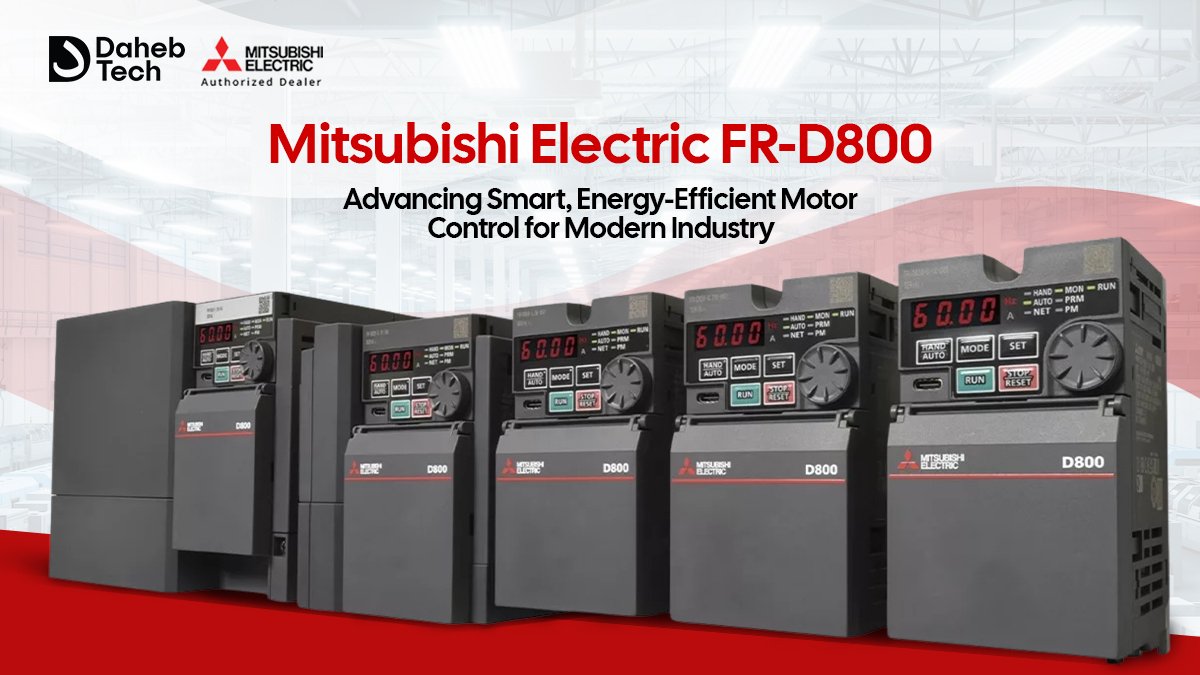
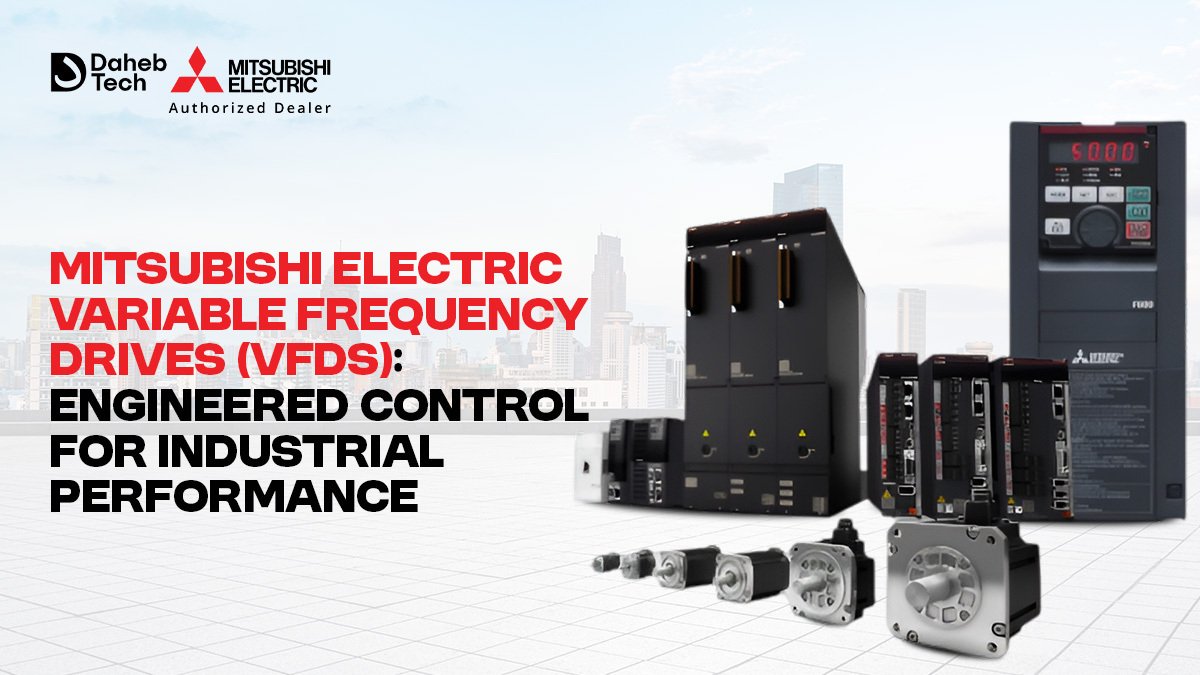
What to replace it with: Variable Frequency Drives let motors run only as fast as the process requires, cutting energy consumption significantly while extending motor and mechanical life. For heavier-duty applications, the FR-A800 series is built for exactly this kind of precision motor control in demanding industrial environments.
If your line still relies on operators walking over to check a dial, or if faults are only discovered after a batch is already scrapped, your visualization layer is the bottleneck not your process. Modern HMIs don't just display data; they trend it, alarm on it, and let operators catch drift before it becomes a stoppage.
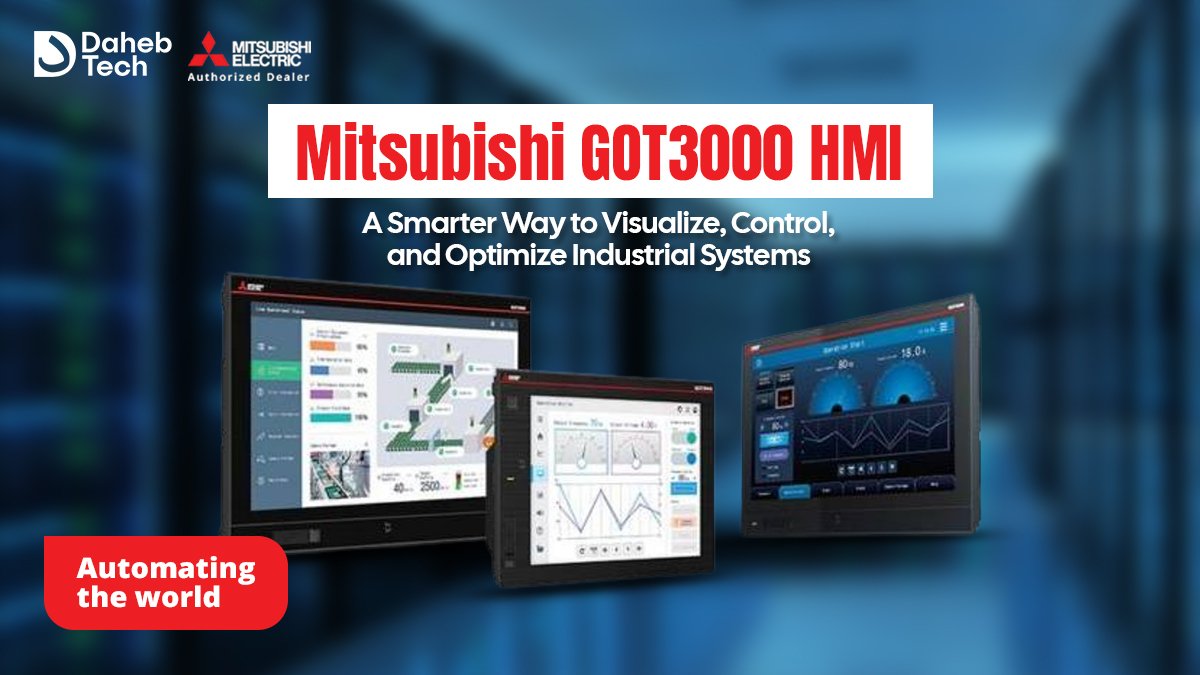
What to replace it with: Mitsubishi's GOT3000 HMI series gives operators real-time visualization, trending, and diagnostics at the machine level turning reactive troubleshooting into proactive monitoring. For a full breakdown of the platform's older sibling, see our GOT2000 guide.
If pick-and-place, packaging, or material transfer steps still rely entirely on manual labor, you're capping your line's speed and consistency at human pace — and exposing output to staffing shortages and repetitive-strain risk. This is especially common on conveyor and packaging lines that were designed years before automation became cost-effective at this scale.
What to replace it with: Mitsubishi's MELFA industrial robots bring precision, repeatability, and speed to pick-and-place, assembly, and material handling tasks, and integrate directly with existing MELSEC PLCs.
Frequent breaker trips, unexplained voltage dips, or simply not knowing which part of the plant is drawing the most power are signs your low-voltage distribution layer hasn't kept pace with the loads now running through it. This is a safety issue as much as an efficiency one.
What to replace it with: A properly engineered low-voltage power distribution system with correctly selected MCCBs, ACBs, and protection coordination improves both reliability and selectivity, so a single fault doesn't take down an entire section of the plant.
The good news: none of these fixes require ripping out your entire system. Mitsubishi Electric's automation ecosystem PLCs, VFDs, HMIs, robots, and power distribution is designed to integrate with existing installations, so upgrades can be phased in around your production schedule rather than forcing a full shutdown.
As an authorized Mitsubishi Electric Factory Automation distributor in the UAE, Daheb Tech can assess which of these five areas is costing your plant the most and recommend a phased upgrade path rather than a blanket replacement.
Explore Daheb Tech's full product range: dahebtech.com/products Talk to our engineering team about an automation audit: dahebtech.com/contact