

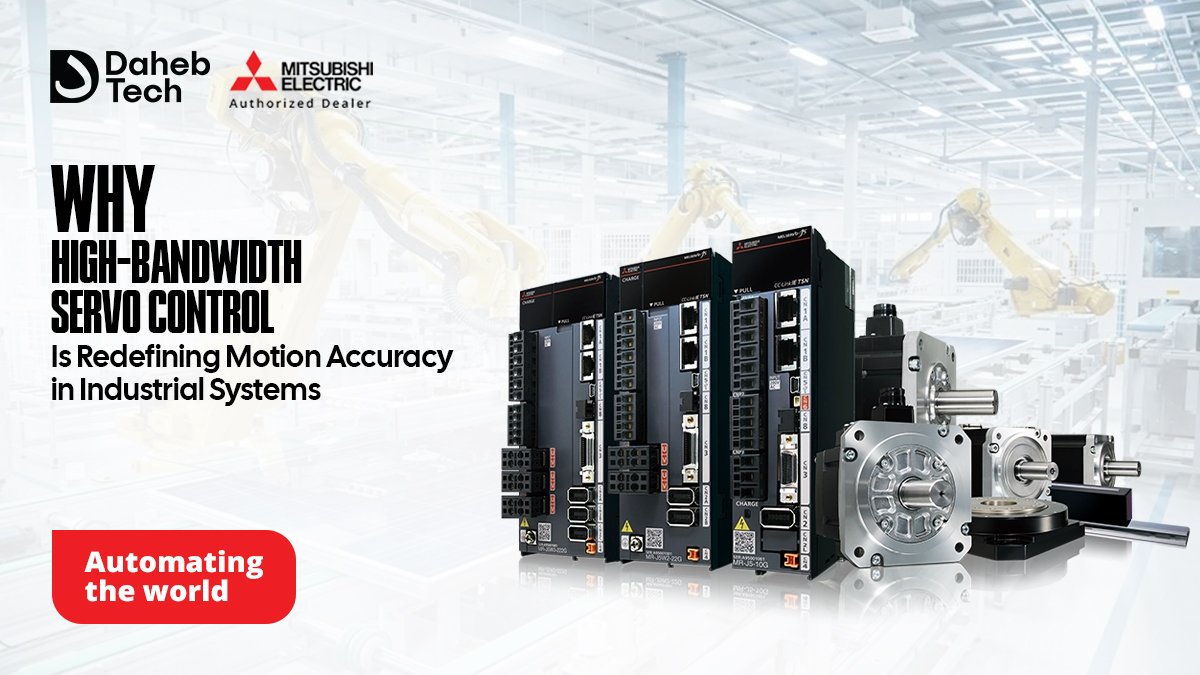
In modern automation, the limiting factor is no longer motor capability it’s control latency and feedback resolution. As machines operate at higher speeds with tighter tolerances, even micro-level deviations in motion loops can cascade into measurable production loss.
This is where high-bandwidth AC servo systems, particularly Mitsubishi’s MELSERVO architecture, shift the paradigm from “motor control” to real-time motion correction at scale.
Most conventional motion setups fail not due to insufficient torque, but because of delayed response in the control loop.
Servo systems eliminate this constraint through:
From a controls engineering standpoint, this reduces phase lag, which directly improves positional accuracy under dynamic loads.
In high-speed indexing systems, this translates into less overshoot, faster settling time, and higher cycle consistency.
MELSERVO systems are built around synchronized communication and adaptive control layers, not just hardware performance.
Key engineering attributes include:
This allows the system to maintain stability even when mechanical conditions change something traditional drive systems struggle to handle.
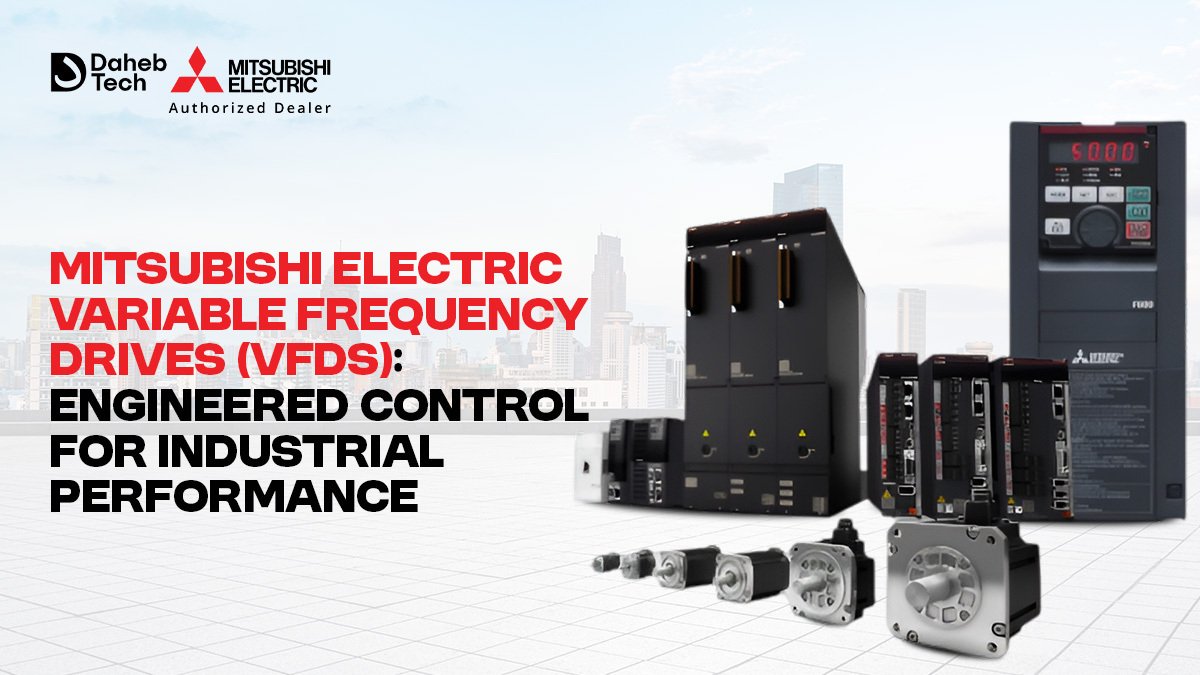
For detailed system configurations and servo amplifier options, refer to MELSERVO AC servo drives and motors
One of the most overlooked challenges in motion systems is load-to-motor inertia mismatch.
Poorly matched systems result in:
MELSERVO platforms mitigate this through adaptive gain control and vibration suppression algorithms, allowing stable operation even in high-inertia applications such as:
This directly impacts machine lifespan by reducing mechanical stress.
There’s a clear boundary where inverter-based control becomes inefficient precision-dependent motion.
Servo systems dominate in scenarios requiring:
However, in broader motor control environments, both technologies coexist.
For a broader view of motion control infrastructure, see industrial drive systems and control solutions
High-performance servo systems rely heavily on feedback quality, not just motor design.
MELSERVO systems leverage:
This ensures that motion commands are executed with minimal deviation between commanded and actual position.
In precision manufacturing, this difference defines whether a system operates within tolerance or outside acceptable limits.
At high duty cycles, thermal variation becomes a critical factor affecting performance.
Servo systems address this through:
This prevents thermal drift, ensuring consistent performance over extended operational cycles especially in 24/7 production environments.
While servo systems dominate precision control, inverter drives remain essential for:
Understanding the boundary between these technologies is key to designing efficient systems.
For extended motor control configurations, explore industrial inverter drive solutions
When implemented correctly, servo systems influence more than just movement they affect the entire production ecosystem:
From an ROI perspective, the shift to servo-based systems is less about hardware upgrade and more about process optimization.
The evolution of industrial automation is increasingly defined by how effectively systems can sense, respond, and correct in real time. High-performance servo platforms like Mitsubishi MELSERVO address this at the control layer where actual system performance is determined.
Daheb Tech Electrical Devices Trading LLC operates as a Mitsubishi Electric authorized dealer, providing direct access to genuine MELSERVO servo systems, industrial drives, and application-focused engineering support.
For system integrators and industrial operators, partnering with an authorized supplier ensures product authenticity, technical reliability, and integration expertise all critical factors in achieving long-term automation performance and scalability.