

Walk through a modern manufacturing facility and you'll see conveyor systems connecting almost every stage of production. Raw materials move to processing areas. Components travel between workstations. Finished products make their way to packaging and distribution.
For decades, the goal was straightforward: keep products moving.
Today, the expectations placed on conveyor systems are very different.
Manufacturers are under pressure to improve throughput, reduce energy consumption, minimize downtime, and respond more quickly to changing production requirements. As a result, equipment that was once viewed as a simple transport mechanism is now expected to contribute to overall operational performance.
This shift is forcing many facilities to reconsider something that often receives little attention until problems appear: motor control.
When production targets aren't being met, the immediate assumption is often that more equipment is needed.
A larger conveyor.
A faster motor.
Additional production lines.
However, production bottlenecks are not always caused by a lack of capacity.
In many facilities, existing conveyor systems are already capable of handling required volumes. The challenge is that those systems are operating without the flexibility needed to adapt to changing conditions.
A packaging line processing one product in the morning may switch to a different product configuration later in the day.
A warehouse conveyor may experience fluctuating loads depending on incoming shipments.
A manufacturing plant may need to synchronize multiple conveyor sections feeding different machines.
Yet many conveyor motors continue running at a fixed speed regardless of what is happening elsewhere in the process.
The issue isn't necessarily how fast products can move.
The issue is how effectively movement can be controlled.
A decade ago, many improvement projects focused primarily on mechanical upgrades.
Stronger gearboxes.
Larger motors.
More durable conveyor components.
While these improvements remain important, manufacturers are increasingly finding that productivity gains often come from improving process control rather than simply increasing mechanical capability.
The conversation has shifted.
Instead of asking:
"How can we make this conveyor run faster?"
Facilities are asking:
"How can we make this conveyor respond more effectively to production requirements?"
This change in thinking reflects a broader trend across industrial automation.
Efficiency is no longer measured solely by equipment speed.
It is measured by how well equipment adapts to operational demands.
When discussing conveyor systems, speed is often treated as the primary performance indicator.
In reality, production teams are usually focused on something else.
They want stable throughput.
They want consistent product flow.
They want fewer interruptions.
They want better coordination between machines.
Conveyor speed is simply one variable used to achieve those goals.
Consider a production line where one machine temporarily slows down due to a product changeover.
If the upstream conveyor continues operating at full speed, product accumulation may occur.
If downstream equipment cannot keep pace, additional inefficiencies may be introduced throughout the process.
The objective is not maximum speed.
The objective is balanced production flow.
This is where variable motor control becomes increasingly valuable.
Fixed-speed motor operation was once the standard approach for many industrial applications.
The system starts.
The motor reaches operating speed.
The conveyor continues running until production stops.
For basic applications, this approach may still be acceptable.
However, modern manufacturing environments rarely operate under fixed conditions.
Production schedules change.
Product specifications change.
Customer demand changes.
Operational priorities change.
When motor performance remains constant while production requirements fluctuate, inefficiencies begin to appear.
These inefficiencies are often subtle.
They may not trigger alarms or cause immediate failures.
Instead, they gradually affect productivity, equipment wear, and operational flexibility.
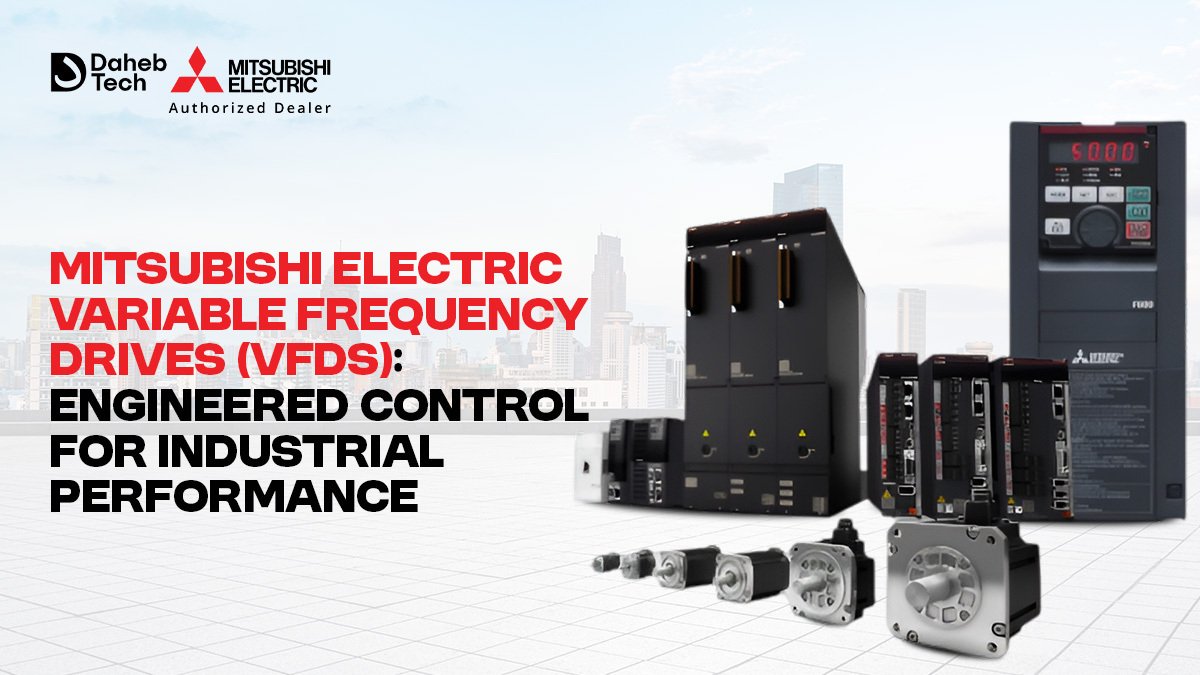
The growing adoption of Variable Frequency Drive technology reflects the industry's move toward greater flexibility and process control.
Rather than supplying a motor with a fixed output, a VFD allows motor performance to be adjusted according to operational requirements.
This creates opportunities that extend beyond energy efficiency.
Production teams gain greater control over material flow.
Maintenance departments can reduce mechanical stress on equipment.
Engineers can improve synchronization between machines.
Operations managers gain additional flexibility when responding to changing production conditions.
Motor control becomes an active part of the production strategy rather than a passive electrical function.
As facilities pursue smarter and more connected operations, motor control systems are expected to support more than simple speed adjustment.
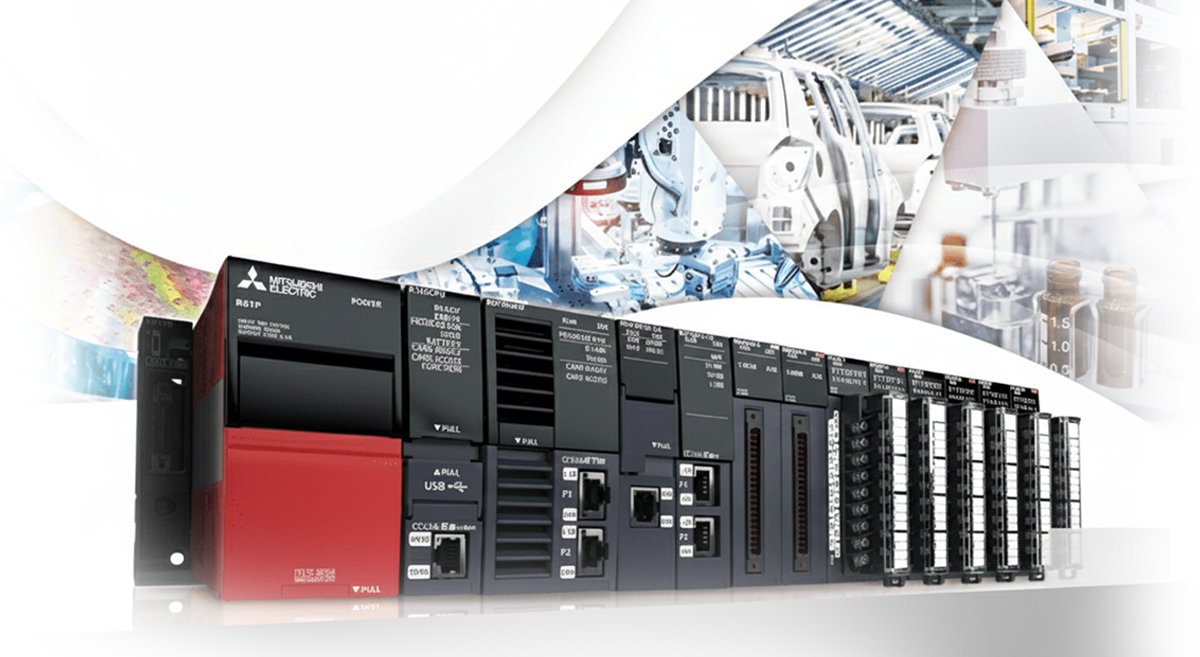
They must integrate with broader automation strategies.
They must communicate with control systems.
They must provide reliable performance in demanding industrial environments.
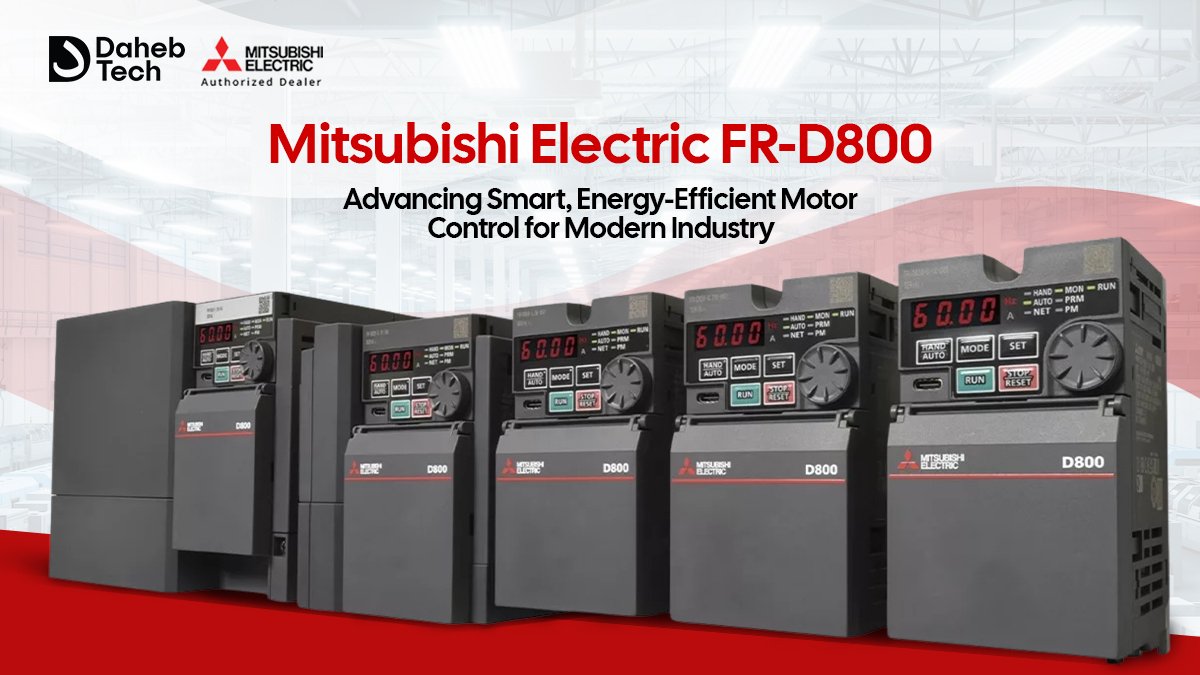
This is where Mitsubishi VFD panels are commonly implemented.
A typical Mitsubishi VFD panel combines motor control, protection, monitoring, and communication capabilities within a single solution.
Depending on operational requirements, facilities may utilize different Mitsubishi drive platforms.
Compact conveyor systems often prioritize simplicity and efficient operation.
Larger manufacturing environments may require advanced motor control, network connectivity, and integration with plant-wide automation systems.
The objective remains the same: creating a motor control platform capable of supporting both current production requirements and future operational needs.
Energy efficiency is often the first benefit associated with variable speed motor control.
While reduced power consumption can be significant, many facilities discover that the operational advantages are equally valuable.
Controlled acceleration can reduce shock loading on belts, bearings, and gearboxes.
Improved speed regulation can help maintain consistent product flow.
Greater flexibility can simplify production changeovers.
More stable operation can contribute to reduced maintenance intervention.
These improvements may not always be reflected in a monthly utility bill, but they often influence long-term equipment performance and operational reliability.
Industrial automation continues to evolve.
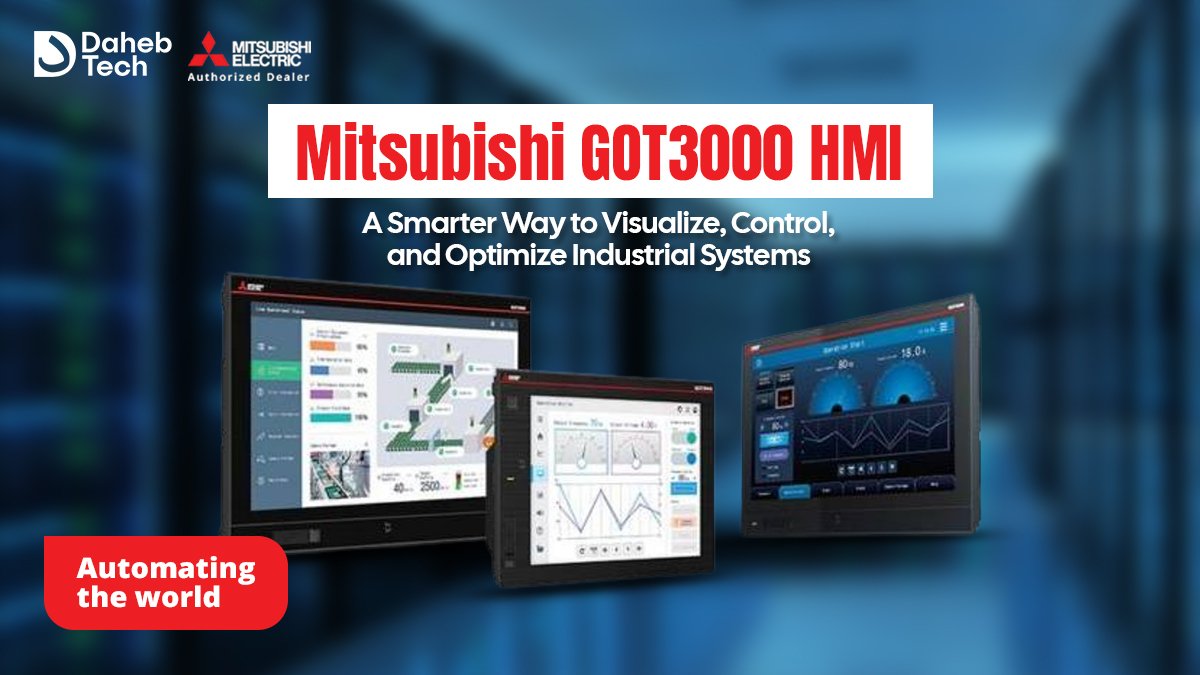
Conveyor systems are increasingly becoming part of larger connected environments where equipment performance, production data, and maintenance information are continuously monitored.
Manufacturers are investing in:
Within this environment, motor control devices are no longer isolated electrical components.
They are becoming intelligent assets capable of contributing valuable operational information.
As this trend continues, the ability to integrate motor control with broader automation initiatives will become increasingly important.
Conveyor systems have always been essential to industrial operations, but the expectations placed on them continue to evolve.
The focus is no longer limited to moving products from one location to another.
Manufacturers are seeking greater flexibility, improved efficiency, better process visibility, and stronger operational control.
Achieving these objectives requires more than mechanical improvements alone.
It requires a smarter approach to how motors are controlled and integrated into the production environment.
As facilities continue modernizing their operations, technologies such as Mitsubishi VFD panels are helping bridge the gap between traditional material handling systems and the connected manufacturing environments of the future.